Stop debating taste
We have to first raise the floor before discussing the ceiling.
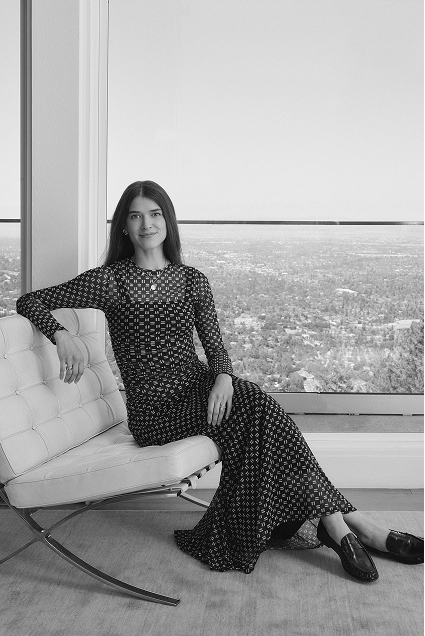
Founder
There’s so much talk about taste. Is it about selection, choice, curation? Is it about creation? Is it about patronage? Who has taste? Who's the arbiter of it? Does it matter? Does it matter more now than ever? Did it ever matter? What does it apply to? The debate goes round and round. Every few months it bubbles up on twitter.
Don't get me wrong, it's an interesting intellectual exercise. It's philosophical, poetic, and I completely understand why it provokes an emotional reaction.
But the reality is, it's also a bit of a useless debate.
We haven't earned the right to debate taste yet. Taste is a conversation about excellence - what separates good from great, the nature of aesthetic judgment, the upper end of quality. That's a conversation worth having. But not right now. Not when the floor is falling out from under us. It's like arguing about Michelin stars when you haven’t even passed the sanitation inspection.
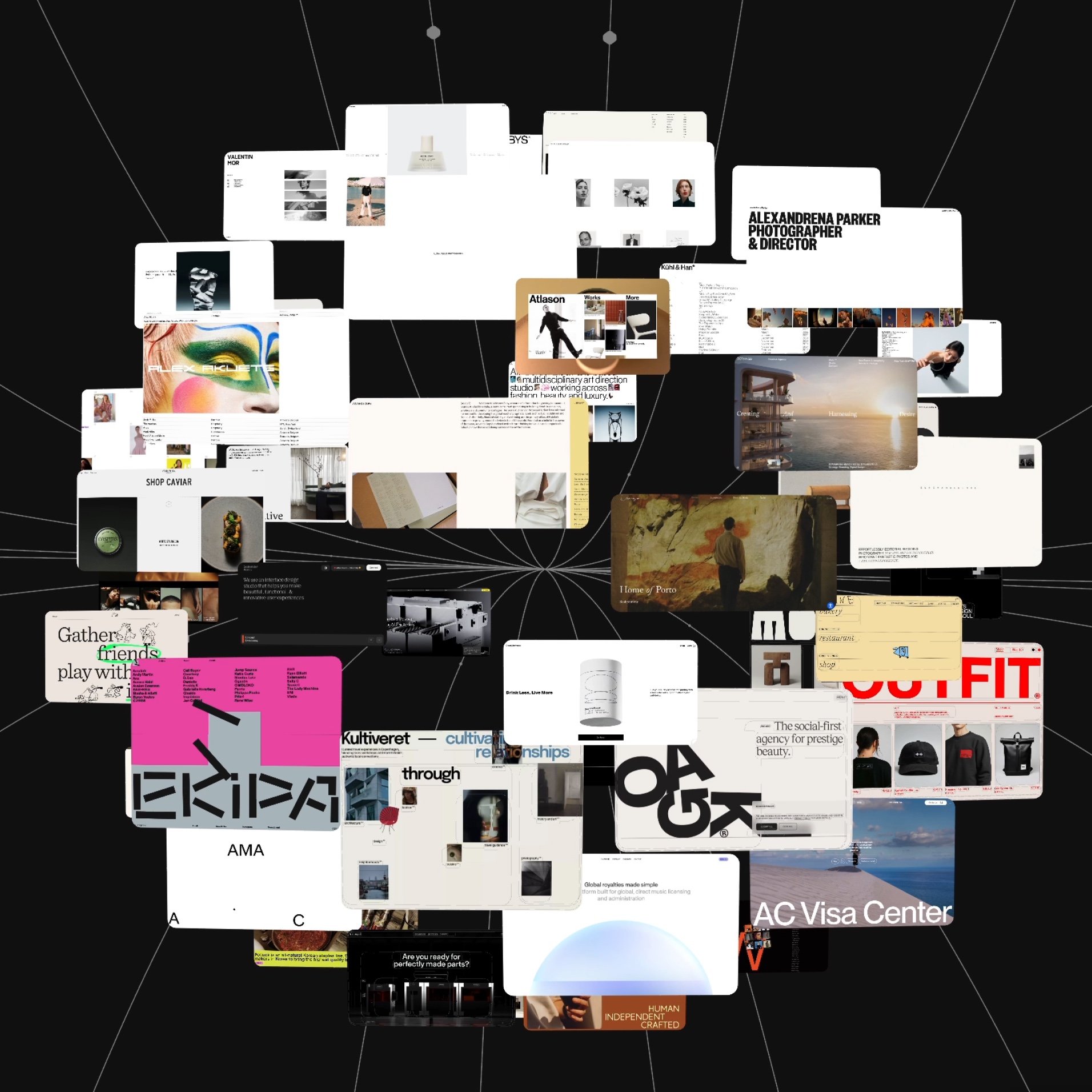
While we go around in circles debating, we're missing the core point: the world is being consumed by slop.
Part one: raise the floor.
We've made it incredibly easy to output things. There's an explosion of new artifacts: vibe coding, vibe writing, vibe designing, vibe creating. But we haven't made it easy to CREATE things, to create GREAT things. That's the core problem.
And here's what the taste discourse keeps missing: we don't need to agree on what "great" looks like to start fixing this. Greatness is contextual, domain-specific, partially subjective - we might debate it forever. But slop? Slop is easy to agree on. You know it when you see it. I know it when I see it. The generic, soulless, “sameness”. That's slop. Not broken things - empty things. Things that technically work but carry no intention, creativity, diversity, care. The generic pitch deck, the interview that keeps reading off their AI script, the bland vibe coded app.
The world is being overtaken by poor quality, low-intention, generic stuff. And even though the discourse feels new, the feeling and problem isn't.
When Walter Benjamin wrote about mechanical reproduction in 1936, he was essentially terrified of slop. He argued that the original creation had an "aura" - a quality rooted in its uniqueness, its presence, its intention - and that copies would strip that away. He worried that mass reproduction would dilute the power of the original, that the copies would lack the intention that made the original matter. But here's the thing: the printing press, photography, film - each of these led to an explosion of knowledge, creativity, and inspiration, because now hundreds, thousands, millions could access the same ideas.
AI, to me, has that same power, and an even bigger danger. Anyone can create anything at the click of a button. And the models still aren't equipped to 1) output diverse things, or 2) output "thought-out things" that feel intentional. They converge toward the statistical mean of their training data - the most average version of whatever you ask for. And when millions of people use the same models to generate the same types of content, the world doesn't get more creative. It gets more homogeneous. This leads to slop.
And the danger goes deeper than slop existing. I genuinely believe humans are so adaptable we will get used to it. We will think slop is normal. I see it already: people engaging in Twitter debates with bots, or with things that were clearly generated by a mediocre AI. Our bar is dropping - not dramatically, not overnight, but in the slow, steady way that's hardest to notice from the inside.
I don't want that.
We need to stop slop and infuse taste back into creation before we lower our own mental bar of what great is. Before the statistical mean becomes the new standard and we forget what great looked like.
So before we debate what greatness is, let’s stop the floor from collapsing.
Part two: raise the ceiling.
Ok, so what actually is taste? I think it's way less mysterious than people make it sound.
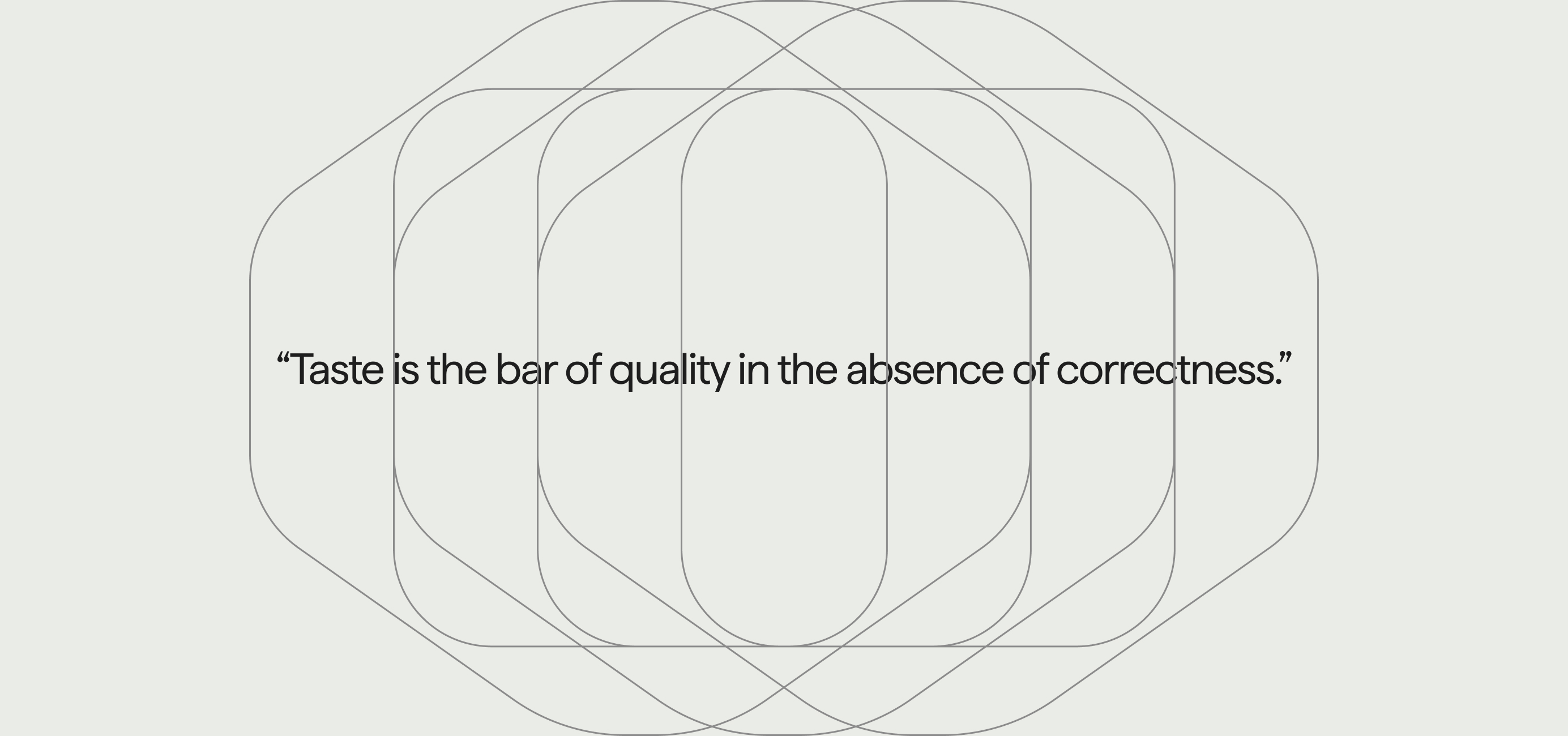
Taste is the bar of quality in the absence of correctness. In math, you know 2+2 is 4. But how do you judge a great article? A great pitch deck? A great painting? A great design? Much harder. So much harder that people have boiled it down, for lack of a better term, to "taste." But taste is nothing more than a rule of thumb: compressed judgment learned from pattern recognition, from exposure, from being opinionated and having the courage to say yes to certain things and no to others.
No one is in a position to judge if a maximalist design is better than a minimalist design in absence of context. But yes, it is possible to judge what is a GREAT execution of maximalism and what is a great execution of minimalism. Or to judge which fits better in a given context, for a given audience, and a specific purpose. I'm way more interested in that.
But here's what people don't realize. Taste is a skill. Something you hone, but something that requires work and time. It's developed through a mix of exposure (seeing many things), observation (seeing patterns), point of view (deciding what you like), and downselection (deciding what you don't like). And not just in the abstract, in context. There's nothing that's good or bad in a vacuum. It's all about the context, audience, purpose, intent.
This takes a lot of effort to develop. Most people won't. At least not in everything.
I'd say I have pretty great taste in design, architecture, fashion. My taste in music isn't great. I'm aware of that. My taste in Excel isn't top tier in the world. Nobody has exceptional taste across the board, and expecting them to is both unrealistic and an unproductive use of time.
This is why people hire interior designers, lawyers, editors, and bankers. Not because they can't learn those domains, but because developing deep taste in every domain you touch takes a lot of time, effort and the right exposure.
So when people say the solution to slop is "people should develop better taste”, they're technically right and practically useless. Most people won't spend years honing pattern recognition in pitch deck design before making a pitch deck. They'll use AI, get something average, and ship it. We have to understand fundamental human nature: people are strapped for time, money, opportunity.
Which means: if fixing slop requires everyone to independently develop expert-level taste in every domain, slop won't get fixed. The floor stays collapsed. And we never earn the right to have the taste debate at all.
There are times that humans want to put in the effort required to hone taste and to craft a beautiful creation, micro-choice by micro-choice. There are times they just want to make something quickly, conveniently. And that doesn't mean it should suck or be slop.
We need to create the systems to allow for taste - aka quality, curation, selection - to emerge, without requiring people's max effort at all times. Not replacing human judgment - encoding the structure of how good judgment works and making it accessible at the moment of creation. Because if it requires max effort, we'll end up exactly where we are now: slop.
Creatives and tastemakers will always be supreme in their areas. That's the point. They are the trendsetters, the ones that put in the work and have the courage to be opinionated. They have incredible value in society. Always have, and always will.
But I want this to feel more accessible to others, so that we can enable a world of diversity, beauty, creativity, quality, and not slop. So that we can enable millions (no, billions) of people to create GREAT things. Not just output stuff. But without needing to put in the absurd amount of effort to have impeccable taste in everything.
Raise the floor. Do it soon, before we forget where the ceiling was.
Then we'll have earned the right to debate taste.
P.S. If you want to join a team going after the mission of ending AI slop, we're hiring across engineering, research, design, operations & more.